Timeless Design: Blending Tradition with Modern Construction Techniques Feb 13, 2026
Understanding the core elements of traditional design is the first step in successfully merging them with modern techniques. Traditional design often incorporates materials that have stood the test of time, such as natural wood, stone, and brick. These materials are known for their durability, warmth, and timeless appeal. By integrating these elements into construction projects, homes can retain a classic charm that pays homage to historical styles and craftsmanship.
While traditional materials are essential, modern construction techniques play a crucial role in enhancing these timeless designs. Modern techniques often prioritize efficiency, sustainability, and adaptability, enabling structures to meet today's energy standards and client expectations. For instance, incorporating advanced insulation, energy-efficient windows, and smart home technologies can transform a traditional layout into an efficient, future-proof dwelling.
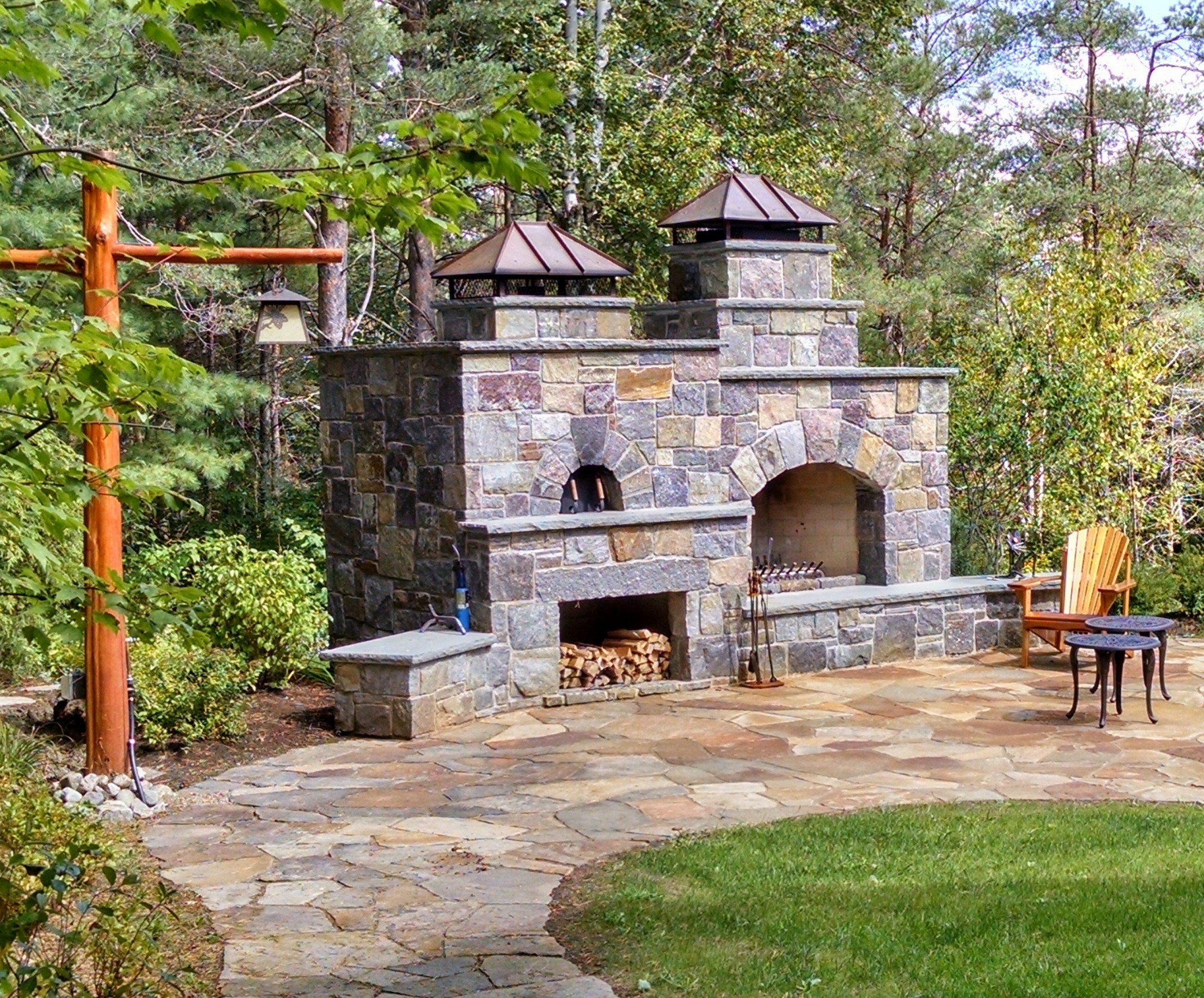
Moreover, open-plan spaces have become increasingly popular as they promote fluidity between rooms, accommodating a modern lifestyle that values flexibility. However, while modern trends lean towards open spaces, traditional elements can still be subtly integrated. A grand staircase, elegant moldings, or a stone fireplace can serve as focal points that anchor the space within a historical context, creating a harmonious blend that feels both new and familiar.
In addition to materials and techniques, design principles such as symmetry and proportion – found in both traditional and modern architecture – should be considered. These principles guide the aesthetic rhythm and balance of a structure, ensuring all elements work cohesively. An adept understanding of these principles allows construction companies like Demary Construction to craft designs that are not only visually enduring but also responsive to their intended environment.
Another key consideration in blending tradition with modern techniques is sustainability. In times when environmental consciousness is imperative, utilizing eco-friendly materials and methods is crucial. This not only reduces the ecological footprint of construction projects but also enhances the market value of the property. For example, incorporating reclaimed wood not only adds a sense of history and permanence but also supports environmentally sustainable practices.
Clients today often seek bespoke solutions that cater to personal tastes while maximizing functionality. Personalized designs that mix traditional craftsmanship with contemporary convenience can provide a unique storytelling aspect to their spaces. For instance, integrating state-of-the-art appliances and systems with decor that reflects the local culture or the homeowner’s history adds depth and personality to the design.
In conclusion, the art of blending tradition with modern construction techniques lies in striking the right balance. This process ensures that the resulting design is timeless, offering beauty, comfort, and efficiency. For companies like Demary Construction, this approach not only aligns with evolving customer demands but also sets a standard of excellence in the construction and remodeling industry. As trends continue to evolve, merging tradition with modernity will undoubtedly remain a cornerstone of innovative design strategies. For homeowners embarking on a renovation journey, considering these principles can lead to a space that is not only enduring but truly reflective of their lifestyle and values.
/filters:no_upscale()/filters:format(webp)/media/1e616f1a-34e9-4d06-aa9d-6cc47fe51143.jpeg)
/filters:no_upscale()/filters:format(webp)/media/a60c7311-a7af-4296-8bdb-2b1209ce4aa1.jpeg)